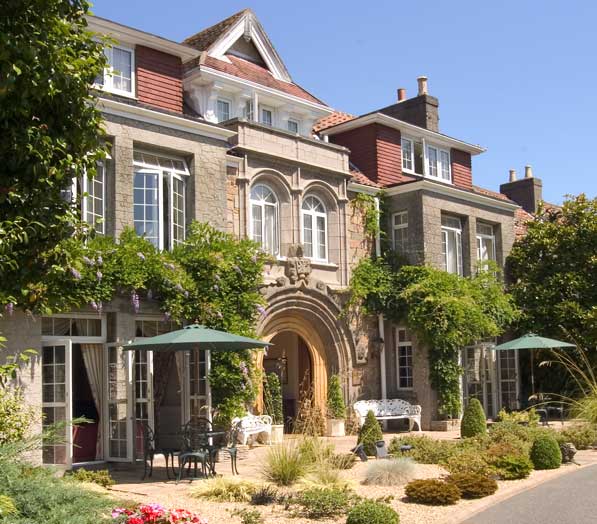
The hotel was brought to life from a state of disrepair by Sidney and Edith Lewis in 1949.
Soon, their son Neal and his wife Barbara became involved and they took over the reins in 1965. By 1969 Longueville Manor was not only the first Jersey hotel to have all en-suite bedrooms, but was also the first to have its own swimming pool.
Their achievements were quickly rewarded; in 1971 Longueville was the first hotel in Jersey to be awarded 4 stars by the AA and by 1972 had become a member of Relais de Campagne, later to be known as Relais & Châteaux. Neal and Barbara stepped back from the business in 1987, with their son Malcolm taking over having already been actively involved with the hotel for five years.
Longueville Today
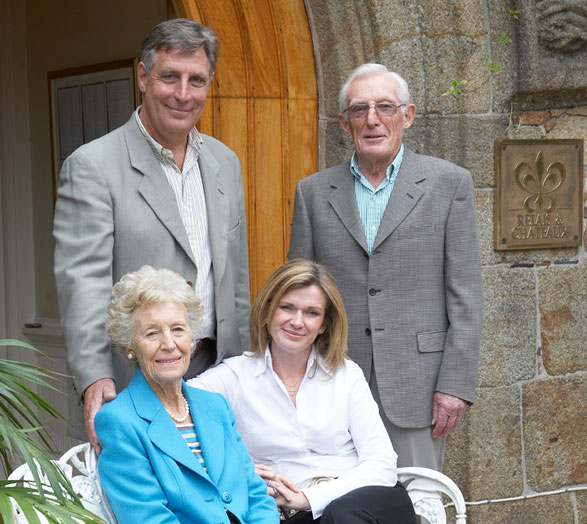
Today, Malcolm and Patricia Lewis continue to manage this thriving small luxury hotel with the same energy and passion that his parents and grandparents had all those years ago.
The Lewis family have faced many challenges over the years. Today, competing in a difficult economic climate, they continue to be one step ahead of the competition with ongoing investments in both service levels and the property itself. The family are proud of all they have achieved and recognise that this would not have been possible without the commitment and dedication of the wonderful staff.
Progress however does not stop today. Plans are afoot to develop the outbuildings and stables into luxury accommodation and leisure facilities, with the provision of a casual eating venue.
Longueville Manor is quite unique and has a wonderful story to tell. Today, it is one of only three privately owned and managed AA 5 red star hotels in the British Isles and is proud of retaining its precious independence.